
Technology
KIIT Moodle: A Complete Guide to the Learning Platform

Introduction
The world of education is rapidly changing, and technology has become an essential part of modern learning. One of the most effective tools in this evolution is the use of learning management systems (LMS). At KIIT University, KIIT Moodle is the platform that facilitates online education, bringing together a wide range of tools and resources to enhance student learning. KIIT Moodle is an essential part of the university’s digital infrastructure, allowing students and faculty to interact, share resources, and stay updated on course materials, all in one place.
Whether you’re a new student at KIIT University or someone looking to understand how to use Moodle to its full potential, this guide will walk you through the platform’s features, navigation, and benefits. From accessing your courses to participating in discussions and assignments, we’ll cover everything you need to know about KIIT Moodle.
What is KIIT Moodle?
KIIT Moodle is the university’s online learning platform that enables students and instructors to engage in a range of educational activities. Moodle, an open-source LMS, is widely recognized for its user-friendly interface and versatility. At KIIT University, this platform is used to manage courses, share assignments, interact with peers and faculty, and track academic progress. It integrates features like forums, quizzes, gradebooks, and multimedia content, making it a comprehensive tool for both teaching and learning.
Key Features of KIIT Moodle
- Course Management: Instructors can create, upload, and manage their courses with ease. KIIT Moodle allows for the organization of lesson plans, assignments, and exams, all in one place.
- Assignments and Grading: Students can submit assignments and receive grades electronically. Teachers can provide detailed feedback, and students can track their progress throughout the semester.
- Collaboration Tools: Moodle encourages collaboration with tools like discussion forums, messaging, and group assignments. These features foster interaction between students and teachers, helping to build a community of learners.
- Multimedia Support: KIIT Moodle supports various multimedia formats, such as videos, audio files, and interactive elements, making it easier for teachers to deliver engaging content.
How to Use KIIT Moodle: A Step-by-Step Guide
If you are new to KIIT Moodle, you may find yourself asking: how do I get started? Don’t worry—using the platform is simple and intuitive. Here’s a step-by-step guide to help you navigate through KIIT Moodle.
Step 1: Log In to KIIT Moodle
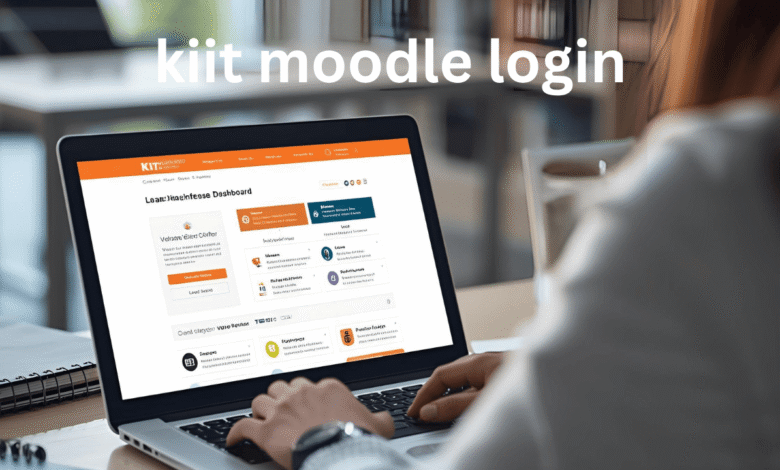
To begin, you need to log in to your KIIT Moodle account. Open the Moodle portal (usually accessible via the KIIT University website) and enter your login credentials, which are typically provided by the university.
Once you’re logged in, you will be taken to your dashboard, where you can see all the courses you are enrolled in. The layout is simple, and the courses are displayed in a clean, organized manner.
Step 2: Accessing Your Courses
After logging in, click on the course name to enter the course page. Each course is equipped with essential components such as the syllabus, lecture materials, assignments, and discussion forums. The left sidebar typically contains links to each of these components.
- Course Overview: This section usually provides an outline of what the course will cover, including any announcements or important updates from the instructor.
- Lecture Materials: Here, you can find reading materials, video lectures, and any other resources your instructor has uploaded for the course.
- Assignments: Check the assignments section regularly to stay up to date with deadlines and submission guidelines.
Step 3: Participate in Discussions and Forums
KIIT Moodle has built-in discussion forums, allowing students to ask questions, discuss topics, and interact with their peers and instructors. Participating in these forums not only enhances your learning experience but also allows you to connect with fellow students and gain insights from different perspectives.
- Discussion Forums: These forums are often used to post questions related to course content. Instructors or fellow students may respond, helping to clarify doubts.
- Messaging System: You can also send private messages to your peers or instructors for more personalized communication.
Step 4: Submitting Assignments
Moodle makes it easy to submit assignments. Your instructor will specify submission guidelines, and you’ll usually be required to upload files directly to the platform.
- File Uploads: Assignments are typically submitted by uploading documents such as Word files, PDFs, or presentations. You can also submit multimedia content if required.
- Check Deadlines: KIIT Moodle allows students to see assignment deadlines and reminders. Always keep an eye on these to ensure timely submissions.
How KIIT Moodle Benefits Students and Faculty
KIIT Moodle offers numerous advantages for both students and faculty members. It’s a versatile tool that not only enhances learning but also streamlines administrative tasks.
For Students
- Anytime, Anywhere Access: KIIT Moodle allows students to access their courses from anywhere, at any time, as long as they have an internet connection. This flexibility makes it easier for students to keep up with their studies, especially when they have other commitments.
- Personalized Learning: Moodle’s tools allow students to learn at their own pace. They can review lecture materials, participate in discussions, and complete assignments when it fits into their schedule.
- Instant Feedback: With online grading and assignment submissions, students can receive instant feedback on their performance. This helps them track their progress and make improvements in real time.
For Faculty
- Efficient Course Management: Faculty can easily organize and manage course materials, making it easier to deliver content and track student performance. Assignments and quizzes can be graded quickly, and feedback can be shared instantly.
- Engagement: Faculty members can engage students through discussion forums, group activities, and even quizzes, which helps improve overall participation and learning outcomes.
- Time-Saving: By automating tasks like grading and feedback, Moodle helps faculty save valuable time, allowing them to focus on more important aspects of teaching.
Troubleshooting Common KIIT Moodle Issues
While KIIT Moodle is generally user-friendly, there are occasional issues that students and faculty might face. Here are some common problems and their solutions.
1. Login Issues
If you are unable to log in, ensure that you are entering the correct credentials. If the issue persists, contact the university’s IT department to reset your password.
2. Assignment Upload Problems
Sometimes, students may face issues while uploading assignments. Ensure that your file format is supported and that it does not exceed the maximum file size. If problems persist, reach out to your instructor for guidance.
3. Browser Compatibility Issues
KIIT Moodle works best on updated versions of browsers like Google Chrome and Mozilla Firefox. If you are experiencing display issues, try clearing your browser cache or switching to a different browser.
Conclusion
KIIT Moodle is an essential tool for students and faculty at KIIT University. It brings all the elements of an effective learning environment into one accessible platform, making it easier to manage courses, collaborate, and stay on top of assignments. Whether you are a student just starting to explore the platform or a faculty member looking to maximize the potential of Moodle, this guide has provided valuable insights to help you navigate KIIT Moodle effectively.
By understanding how to use the platform’s features to your advantage, you can enhance your learning experience, stay organized, and make the most out of your educational journey at KIIT University. As Moodle continues to evolve, its impact on the educational experience will only grow, making it a key player in the digital classroom of tomorrow.

Investing in professional certifications always comes with the same nagging question—will this actually pay off? You’re not just spending money on a course. You’re betting time, energy, and career momentum on a credential that may or may not open doors. When it comes to POPM Certification, the answer depends on where you want your product career to go. But if you’re aiming for enterprise-level roles where Agile delivery matters, the data strongly supports making this investment.
Understanding the POPM Credential
The SAFe Product Owner/Product Manager (POPM) certification targets professionals responsible for defining product vision, prioritising backlogs, and delivering value within the Scaled Agile Framework. Unlike basic Scrum certifications that focus on team-level delivery, POPM prepares you for enterprise environments where multiple teams coordinate across Agile Release Trains.
This distinction matters enormously. Companies scaling Agile practices need professionals who understand how product decisions cascade across complex organisations. The certification validates exactly that capability—connecting customer needs with strategic execution at scale.
Over 1.4 million professionals hold SAFe certifications globally, and 70 percent of Fortune 100 companies have adopted the framework. That’s not a niche methodology. It’s the dominant approach for enterprise Agile transformation.
Salary Comparison: Certified vs Non-Certified
Here’s where the investment case becomes compelling. According to the 2024 SAFe Careers Snapshot, certified Product Owners earn significantly more than their non-certified counterparts.
The numbers tell a clear story:
- SAFe-certified Product Owner average: $129,152 annually
- Non-certified Product Owner average: $107,000 annually
- Salary premium: Over $22,000 per year
That gap alone recovers the certification cost within the first month of employment. But the benefits extend beyond base salary.
Certified SAFe Product Owners and Product Managers typically earn 20-30 percent more than non-certified peers, with salaries ranging from $140,000 to $200,000 depending on experience and location. Entry-level POPM professionals start between $107,000 and $120,000, while senior-level roles reach $151,000 annually in the United States.
Job Market Demand
Salary premiums only matter if employers actually value the credential. The evidence suggests they do strongly.
Industry data reveals:
- 42% of Product Owner job postings require SAFe experience
- 40% of postings require or prefer SAFe certification
- 63% of product role postings either require or prefer SAFe credentials
Major employers actively seeking POPM-certified professionals include Amazon, Google, Capital One, Accenture, Microsoft, AT&T, and Visa. These aren’t speculative opportunities, they’re documented hiring patterns from companies building enterprise-scale products.
The shortage of qualified SAFe professionals has created a competitive hiring environment. Employers prioritise certified candidates because they reduce onboarding time and deliver value faster than professionals who need framework training.
Training Options in Key Markets
India has become a significant hub for SAFe training and certification, with Chennai emerging as a particularly strong market for product management careers. The city hosts major technology operations for Infosys, TCS, Cognizant, Zoho, and numerous global enterprises actively building Agile teams.
Professionals exploring SAFe POPM Certification training in Chennai find programmes designed around both global certification standards and local industry requirements. The concentration of IT employers means training providers maintain strong relationships with hiring companies. Many graduates leverage these connections alongside their certification to secure product roles within weeks of completing their training.
Whether you choose in-person workshops or live online sessions, selecting an accredited programme ensures your credential carries weight with employers worldwide.
Career Advancement Opportunities
The POPM certification doesn’t just improve your current salary—it opens pathways to senior leadership roles.
Common career progressions include:
- Product Director: $143,000-$207,000 annually
- Solution Manager: Leading multiple product lines across portfolios
- Release Train Engineer: $135,000+ for cross-functional coordination roles
- Chief Product Officer: $237,000-$360,000 at executive level
Professionals with POPM credentials progress quickly into higher-impact positions because they understand value stream alignment, stakeholder management, and enterprise-level planning, skills that distinguish strategic leaders from tactical executors.
Conclusion
The certification investment pays for itself rapidly through salary premiums, expanded job opportunities, and accelerated career progression. For professionals serious about enterprise product roles, the credential has become nearly essential rather than merely advantageous.
The market demand exists. The salary data confirms the premium. The career pathways are well-documented. Whether POPM certification makes sense depends on your ambitions, but for those targeting scaled Agile environments, the evidence overwhelmingly supports saying yes.

Introduction
In recent years, photovoltaic technology has advanced dramatically, allowing homeowners and businesses to generate clean, affordable electricity from sunlight. Among the many innovations that have improved solar energy systems, HMS Photovoltaik has become one of the most important developments for enhancing performance, efficiency, monitoring, and safety. The term generally refers to a class of solar equipment—often microinverters, power optimizers, or hybrid monitoring systems—designed to intelligently manage each solar module individually. This approach leads to more reliable, flexible, and efficient solar installations compared to traditional string inverter setups.
HMS photovoltaic systems offer a smarter way to convert and manage solar power. By controlling individual modules rather than entire strings, these systems help maximize energy output even when some panels are shaded or operating at reduced efficiency. Additionally, HMS solutions often include real-time monitoring tools that give users transparent insight into their system’s performance, allowing easy troubleshooting and optimization. As global demand for renewable energy grows and electricity prices rise, HMS Photovoltaik provides a modern solution for achieving long-term sustainability, cost savings, and energy independence.
This detailed article explores how HMS Photovoltaik works, its advantages, technical structure, benefits for residential and commercial users, installation considerations, pricing insights, and long-term performance expectations.
What Is HMS Photovoltaik?
HMS Photovoltaik refers to a system of High-Performance Module-Level Solar Management, typically involving microinverters or power optimizers installed directly at each solar panel. These devices electronically manage the output of individual modules, convert DC electricity into AC (in the case of microinverters), and maximize total system yield by preventing energy losses caused by shading, dirt, or panel mismatch.
Instead of relying solely on a central inverter to convert the electricity of an entire string, HMS technology distributes part of the conversion and optimization process across each module. This increases safety, performance, and long-term reliability. It is especially useful for roofs with multiple orientations, partial shading, complex structures, or installations where system-level monitoring is required.
Will You Check This Article: GadgetFreeks.com: Your Ultimate Hub for Tech, Entertainment & Digital Updates
How HMS Photovoltaik Works
HMS photovoltaic systems operate using module-level control. Each solar panel is paired with a microinverter or optimizer that manages voltage, tracks maximum power point (MPPT), and ensures the panel delivers optimal output.
A typical HMS setup includes:
- Solar Panels: Capture sunlight and convert it to direct current (DC).
- HMS Microinverters or Optimizers: Convert DC to AC or regulate voltage at the panel level.
- A Monitoring Gateway: Collects performance data from each module.
- A Cloud-Based Platform: Displays real-time performance analytics.
- Electrical Protection Equipment: Ensures safe system operation and grid compliance.
By isolating the performance of each panel, the system avoids the “weak panel effect” present in traditional string inverter systems, where one underperforming panel reduces the output of all connected modules.
Key Features of HMS Photovoltaik
HMS Photovoltaik systems include a number of advanced features designed to enhance safety, efficiency, and performance:
- Module-Level Optimization and MPPT ensures each panel operates at its best point regardless of external conditions.
- Real-Time Monitoring allows users to view individual panel output, detect faults, and track overall system efficiency.
- Rapid Shutdown Capabilities improve safety and comply with global electrical codes.
- Flexible System Design supports roofs with multiple angles, orientations, and shading zones.
- Improved Performance in Shaded Areas allows for more energy generation under imperfect environmental conditions.
- Scalable Architecture supports incremental expansion if more panels need to be added.
Advantages of HMS Photovoltaik
Improved Energy Yield
One of the primary benefits of HMS technology is its ability to boost overall system energy generation. With traditional string inverters, a single shaded or dirty panel can reduce the performance of the entire string. With HMS, each panel operates independently, ensuring maximum output at all times.
Enhanced Safety
Many HMS systems come with built-in rapid shutdown features, reducing voltage at the module level during emergencies or maintenance. This is crucial for fire safety and aligns with modern electrical codes.
Real-Time Monitoring and Troubleshooting
HMS Photovoltaik platforms offer detailed insight into each panel’s output. This makes it easier for technicians and homeowners to identify issues such as shading, wiring faults, or panel malfunctions. Real-time analytics improve maintenance efficiency and long-term reliability.
Longer Lifespan and Reliability
Microinverters and optimizers are designed to operate under harsh conditions and typically come with warranties ranging from 15 to 25 years. Their distributed architecture reduces stress on individual components, enhancing system resilience.
Greater Design Flexibility
HMS allows solar arrays to be installed across different roof faces, slopes, and orientations without causing performance issues. This flexibility is particularly valuable for homes or commercial buildings with limited roof space or non-uniform sun exposure.
Scalable and Future-Proof
Users can easily expand their solar array by adding additional panels equipped with HMS devices. This makes the system ideal for long-term growth, future energy needs, or planned transitions to electric vehicles and battery storage.
Applications of HMS Photovoltaik
Residential Solar Systems
Homeowners appreciate the flexibility and performance improvements of HMS technology. It enables installations on homes with complex roofs and partial shading. Real-time app-based monitoring also gives homeowners transparent control over their energy production.
Commercial and Industrial Facilities
Businesses benefit from the scalability, monitoring capabilities, and higher reliability of HMS Photovoltaik systems. Large installations often use microinverters to reduce downtime and simplify maintenance.
Off-Grid and Hybrid Systems
In hybrid solar systems paired with batteries, HMS technology helps manage charging more efficiently and ensures consistent output even when environmental conditions vary.
Solar Farms and Large-Scale Plants
Some utility-grade projects incorporate HMS components to improve performance analytics, reduce geometric shading losses, and add layer-by-layer optimization.
Installation Considerations
Roof Structure and Orientation
Before installing HMS Photovoltaik, installers evaluate the roof’s orientation, angle, shading patterns, and available space. HMS systems are ideal for challenging roofs because they maintain excellent performance regardless of orientation differences.
Electrical Infrastructure
Upgrading breakers, wiring, and electrical panels may be necessary depending on the age and condition of the building’s infrastructure. HMS microinverters also require proper mounting and grounding.
Compatibility of Components
It is important to ensure that the selected HMS microinverter or optimizer is compatible with the solar panel type and wattage. Many manufacturers publish compatibility charts for this purpose.
Monitoring Setup
An internet connection is required for cloud-based monitoring. Installers typically connect a gateway or data logger to the home router.
Cost and Investment Outlook
The cost of HMS Photovoltaik systems varies depending on:
- panel wattage
- number of modules
- type of microinverter or optimizer
- installation complexity
- local labor rates
- applicable incentives
Although microinverter-based systems are slightly more expensive than string inverter systems upfront, many users recoup the additional cost through higher long-term energy production, lower maintenance requirements, and improved reliability.
In many cases, HMS Photovoltaik systems can increase total energy yield by 5–15%, depending on shading and roof complexity. Over a 20–25 year system lifespan, this additional production often translates into substantial financial savings.
Environmental Benefits
HMS Photovoltaik supports the transition to carbon-neutral energy by improving the performance and effectiveness of solar systems. More efficient solar arrays reduce reliance on fossil fuels and help lower greenhouse gas emissions. Additionally, microinverter-based systems reduce energy losses during conversion, increasing total system efficiency and minimizing environmental impact.
Will You Check This Article: A Complete Guide to Understanding and Using analyzingmarket com for Smarter Investment Decisions
Long-Term Performance Expectations
With proper maintenance and monitoring, HMS photovoltaic systems can achieve decades of reliable operation. Microinverters often come with 20- to 25-year warranties, matching or exceeding the lifespan of most solar panels. Their distributed architecture reduces single points of failure and ensures that the system continues to produce energy even if an individual module requires service.
Conclusion
HMS Photovoltaik represents a major leap forward in solar power design, functionality, and performance. By giving each solar module its own microinverter or optimizer, the system eliminates the efficiency losses common in traditional string-based setups and increases overall yield. Features such as real-time monitoring, enhanced safety, and design flexibility make HMS technology an ideal choice for homeowners, businesses, and large-scale solar projects alike.
As the global energy landscape continues to evolve, and as governments push for cleaner power sources, technologies like HMS Photovoltaik will play an essential role in creating a more sustainable future. It provides a smarter, safer, and more efficient way to capture and use solar energy, ensuring that users enjoy long-term savings and dependable performance.
FAQs
1. What does HMS Photovoltaik mean?
It generally refers to module-level solar management systems—such as microinverters or optimizers—that maximize the performance of each solar panel individually.
2. How does HMS improve solar efficiency?
By optimizing panels independently, HMS prevents shading or poor panel performance from affecting the entire array.
3. Is HMS Photovoltaik more expensive than traditional systems?
Yes, upfront costs are slightly higher, but the increased energy yield and reliability often lead to long-term financial savings.
4. Can HMS systems be used with battery storage?
Absolutely. HMS microinverter and hybrid systems work well with modern battery technologies.
5. Are HMS microinverters safe?
Yes. They include features like rapid shutdown, module-level voltage reduction, and temperature protection to enhance overall system safety.
Introduction
In the fast-evolving world of e-commerce, businesses must continuously adapt to stay ahead of the competition. Enter Maxxfour.com, a platform designed to offer cutting-edge solutions for both businesses and consumers. This innovative e-commerce site has quickly become a favorite for entrepreneurs, startups, and established brands seeking streamlined operations and improved user experiences. By integrating advanced technology with a user-centric approach, Maxxfour.com is not just keeping pace with industry trends—it’s setting new standards.
With a focus on simplicity, scalability, and security, Maxxfour.com has created an ecosystem where businesses can thrive. Whether you are looking to launch a new online store, manage an existing one, or optimize your digital strategy, Maxxfour.com offers the tools and services you need to succeed in today’s competitive marketplace. In this article, we will dive deeper into how Maxxfour.com is changing the game, its core features, and the advantages it brings to entrepreneurs across the globe.
The Evolution of E-Commerce: A Look at Maxxfour.com
The e-commerce sector has seen dramatic growth in recent years, driven by technological advancements and shifting consumer behaviors. Platforms like Maxxfour.com are at the forefront of this revolution, offering a blend of technology, service, and user-friendliness that makes it easier for anyone to run a successful online business. From its sleek design to its robust backend, Maxxfour.com is built to address the key challenges faced by today’s digital entrepreneurs.
Why Maxxfour.com is a Game-Changer
H2: Advanced Technology for Seamless E-commerce Operations
One of the standout features of Maxxfour.com is its use of advanced technology to simplify e-commerce management. The platform provides a suite of tools that streamline everything from product listing and inventory management to payment processing and customer engagement. This ensures that businesses can focus on growth and expansion rather than getting bogged down by operational complexities.
Maxxfour.com integrates powerful AI-driven analytics that help businesses understand customer behavior, optimize product listings, and predict trends. These insights give sellers the edge they need to adapt to changing market demands and make data-driven decisions.
H3: User-Centric Design
Another key strength of Maxxfour.com lies in its user-centric design. The platform’s interface is intuitive, making it easy for users of all technical skill levels to navigate. Whether you are setting up your first store or optimizing an established one, Maxxfour.com’s easy-to-use dashboard allows you to manage every aspect of your online business with minimal effort.
By offering customizable templates and seamless integration with popular payment gateways, Maxxfour.com enables business owners to create personalized and professional-looking online stores in just a few clicks. This level of flexibility and ease of use sets the platform apart from its competitors, making it an ideal choice for both beginners and seasoned e-commerce professionals.
Key Features of Maxxfour.com
H2: Versatility Across Multiple Industries
Maxxfour.com isn’t just for one type of business; it’s designed to serve a broad range of industries. From fashion and beauty to electronics and home goods, Maxxfour.com provides the tools businesses need to succeed no matter what they are selling. This versatility is one of the platform’s most appealing aspects, allowing entrepreneurs from various sectors to take advantage of its powerful features.
H3: Robust Security for Peace of Mind
Security is always a top concern for online businesses, especially when handling sensitive customer data. Maxxfour.com prioritizes security, offering end-to-end encryption and advanced fraud detection systems to ensure that all transactions are safe.
This commitment to security builds trust with customers, making them more likely to complete transactions on the platform. For businesses, this means fewer risks and a more reliable platform for conducting operations.
The Benefits of Using Maxxfour.com
H2: Streamlined Inventory and Order Management
Managing inventory and fulfilling orders can be time-consuming and complex, especially as businesses grow. With Maxxfour.com, inventory management is simplified through automation tools that track stock levels, alert you when items are running low, and even suggest restocking orders.
Order management is just as seamless. With a centralized dashboard, businesses can quickly view orders, track shipments, and process returns with minimal effort. This helps ensure that customers receive their products on time, which can significantly improve customer satisfaction and retention.
H3: Scalable Solutions for Growing Businesses
One of the most significant advantages of Maxxfour.com is its scalability. As your business grows, the platform grows with you. You can easily scale up your operations without worrying about outgrowing the system. Whether you are expanding your product line, increasing sales, or entering new markets, Maxxfour.com’s infrastructure is built to handle the increased demand.
How Maxxfour.com Stands Out in the Market
H2: Competitive Pricing and Value
Maxxfour.com offers competitive pricing that makes it accessible to businesses of all sizes. From entrepreneurs just starting out to established enterprises, the platform provides a range of pricing options to suit different budgets. Despite its affordability, Maxxfour.com does not compromise on quality, offering premium features at a price point that remains accessible to all.
H3: Excellent Customer Support
E-commerce success is about more than just having the right tools; it’s also about the support you receive along the way. Maxxfour.com offers 24/7 customer support to ensure that businesses can resolve any issues quickly and efficiently. Whether it’s technical support, troubleshooting, or advice on best practices, the platform’s customer service team is always ready to assist.
Real-World Examples: How Maxxfour.com Has Helped Businesses Thrive
H2: Case Study 1: A Fashion Brand’s Success
A fashion brand that recently switched to Maxxfour.com saw a 30% increase in sales within the first three months. By leveraging the platform’s AI-powered product recommendations, the brand was able to personalize its shopping experience, increase average order value, and reduce cart abandonment rates.
H3: Case Study 2: A Tech Startup’s Growth
A tech startup offering innovative gadgets experienced exponential growth after migrating to Maxxfour.com. With streamlined inventory management and automated order fulfillment, the company was able to focus on product development and customer engagement, resulting in a 50% increase in customer retention and a 40% increase in repeat purchases.
Conclusion
As e-commerce continues to evolve, platforms like Maxxfour.com are helping businesses stay competitive by offering advanced technology, user-friendly features, and top-tier security. Whether you are just starting out or looking to scale your online store, Maxxfour.com provides everything you need to succeed in today’s digital marketplace.
With its versatile solutions, scalable infrastructure, and commitment to customer success, Maxxfour.com stands out as a leader in the e-commerce space. If you are ready to take your business to the next level, it’s time to explore what Maxxfour.com has to offer.